








Accept Cookies & Privacy Policy?
We use cookies to ensure that we give you the best experience on our website. If you continue to use this site we will assume that you accept and understand our Privacy Policy, and our Terms of Service.
Independent Software QA Testing Services



I’ve been in the Agile trenches for years now—coaching teams, facilitating sprints, navigating the choppy waters of transformations that promised the moon but barely delivered a sprint review. If there’s one thing I’ve learned, it’s that Agile is like water—it evolves, it adapts, and sometimes, it drowns you if you’re not prepared.

I’ve been in the Agile trenches for years now—coaching teams, facilitating sprints, navigating the choppy waters of transformations that promised the moon but barely delivered a sprint review. If there’s one thing I’ve learned, it’s that Agile is like water—it evolves, it adapts, and sometimes, it drowns you if you’re not prepared.
I’ve been in the Agile trenches for years now—coaching teams, facilitating sprints, navigating the choppy waters of transformations that promised the moon but barely delivered a sprint review. If there’s one thing I’ve learned, it’s that Agile is like water—it evolves, it adapts, and sometimes, it drowns you if you’re not prepared.

I’ve been in the Agile trenches for years now—coaching teams, facilitating sprints, navigating the choppy waters of transformations that promised the moon but barely delivered a sprint review. If there’s one thing I’ve learned, it’s that Agile is like water—it evolves, it adapts, and sometimes, it drowns you if you’re not prepared.
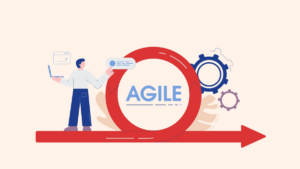
I’ve been in the Agile trenches for years now—coaching teams, facilitating sprints, navigating the choppy waters of transformations that promised the moon but barely delivered a sprint review. If there’s one thing I’ve learned, it’s that Agile is like water—it evolves, it adapts, and sometimes, it drowns you if you’re not prepared.
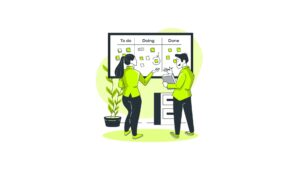
So picture this: You’re the air traffic controller of a chaotic airport where the planes (developers) don’t always listen, the passengers (stakeholders) want to change destinations mid-flight, and the weather (unforeseen blockers) is always unpredictable.